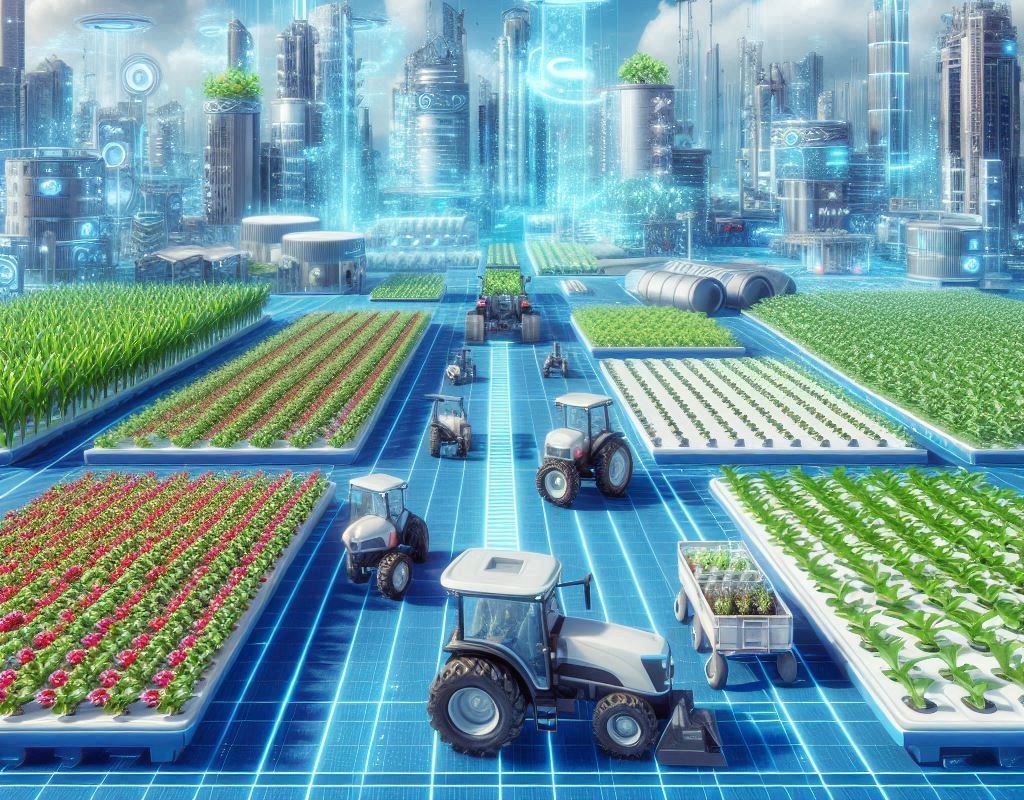
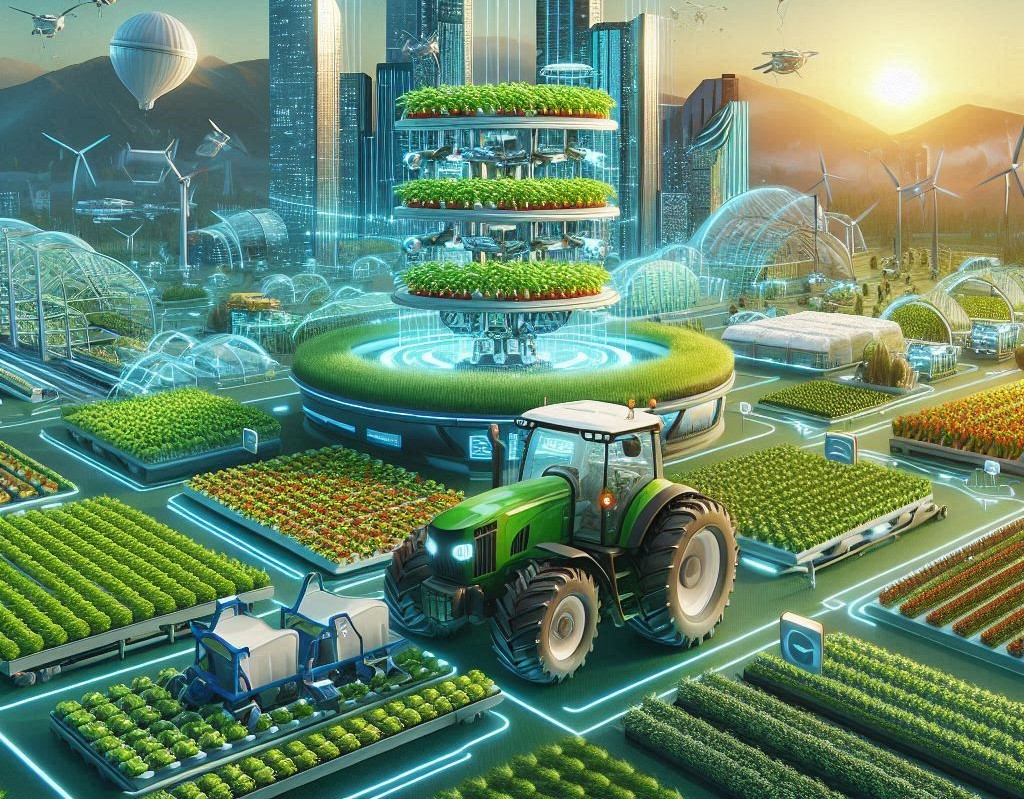
IoT Devices: IoT devices, such as sensors and drones, play a crucial role in smart agriculture. These devices collect real-time data on soil moisture, temperature, humidity, and crop health. This data helps farmers make informed decisions about irrigation, fertilization, and pest control.
AI and Machine Learning: AI and machine learning algorithms analyze the data collected by IoT devices to provide actionable insights. For example, AI can predict weather patterns, identify crop diseases, and recommend optimal planting times.
Big Data Analytics: Big data analytics processes vast amounts of data to uncover trends and patterns. This information helps farmers optimize their operations, reduce waste, and improve overall efficiency.
Increased Productivity: By using precise data and automated systems, farmers can increase crop yields and livestock productivity. Smart agriculture minimizes guesswork and allows for more accurate resource allocation.
Resource Efficiency: Smart agriculture promotes the efficient use of water, fertilizers, and pesticides. This not only reduces costs but also minimizes the environmental impact of farming.
Sustainability: Sustainable farming practices are essential for the long-term health of our planet. Smart agriculture supports sustainability by reducing waste, conserving resources, and promoting eco-friendly practices.
Improved Crop Management:With real-time monitoring and data analysis, farmers can detect issues early and take corrective actions promptly. This leads to healthier crops and higher-quality produce.
While smart agriculture offers numerous benefits, it also comes with challenges. The initial investment in technology can be high, and there may be a learning curve for farmers unfamiliar with these tools. However, government incentives, training programs, and partnerships with tech companies can help overcome these barriers.
Smart agriculture represents the future of farming, offering a blend of technology and tradition to create more efficient, productive, and sustainable agricultural practices. By embracing these innovations, farmers can ensure a prosperous future for themselves and the environment.